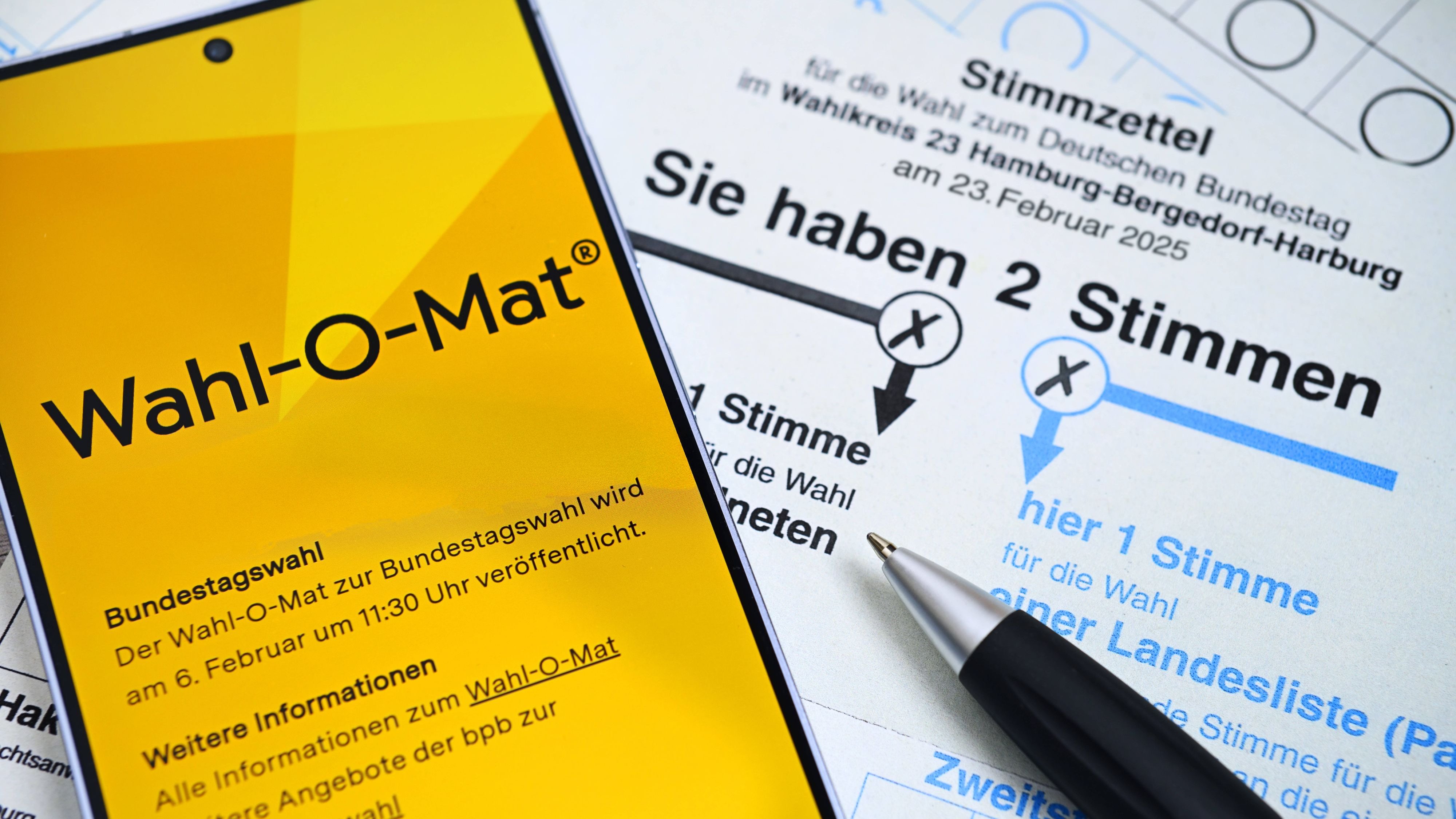
Title: Wahl-O-Mat Bundestagswahl 2025: Your Ultimate Guide to Germany's Election Tool
Introduction
The Wahl-O-Mat has become one of the most popular and valuable tools for voters in Germany, helping them make informed decisions during the Bundestagswahl (German Federal Election). As the Bundestagswahl 2025 approaches, many citizens are already preparing to cast their votes. One of the key resources they’ll rely on is the Wahl-O-Mat – an interactive online tool that matches voters with political parties based on their stances on key issues.
In this article, we’ll explore how the Wahl-O-Mat works, its impact on the electoral process, and how you can use it effectively ahead of the Bundestagswahl 2025. We’ll also discuss its history, evolution, and provide a comprehensive overview of how the tool has shaped political engagement in Germany.
What is the Wahl-O-Mat?
The Wahl-O-Mat is an online quiz designed to help voters match their political preferences with the platforms of political parties running in the Bundestagswahl. The tool consists of a series of questions on key political issues, such as climate change, healthcare, education, and foreign policy. Based on the answers given by the user, the Wahl-O-Mat calculates which party's positions align most closely with the voter’s views.
The Wahl-O-Mat was developed by the Bundeszentrale für politische Bildung (Federal Agency for Civic Education) and first launched in 2002. Over the years, it has gained significant popularity due to its ability to simplify the often complex political landscape, enabling citizens to make well-informed voting decisions.
How Does the Wahl-O-Mat Work?
Using the Wahl-O-Mat is straightforward. Once you access the tool online, you will be presented with a series of questions. Each question offers a statement that the voter can either agree with, disagree with, or remain neutral on. The questions are designed to cover a broad range of political topics, and they reflect the key issues that are expected to play a central role in the Bundestagswahl 2025.
Process Overview:
- Access the Wahl-O-Mat: Visit the official Wahl-O-Mat website.
- Answer the Questions: You will be asked to express your opinion on various statements.
- See Your Results: The tool will match your responses with the party’s positions and provide you with a list of political parties, ranked according to how closely their policies align with your views.
Why is Wahl-O-Mat Important for the Bundestagswahl 2025?
As the Bundestagswahl 2025 approaches, understanding political parties’ policies and stances is crucial for voters. The Wahl-O-Mat plays a critical role in helping citizens make sense of the diverse political spectrum and facilitating informed decision-making.
Impact of Wahl-O-Mat:
- Increased Voter Engagement: The Wahl-O-Mat encourages citizens, especially younger voters, to participate in elections by making politics more accessible.
- Political Education: It serves as an educational tool, helping voters understand the differences between political parties’ platforms.
- Encouraging Thoughtful Voting: By answering questions about their beliefs, voters can gain a clearer picture of which political parties best represent their views.
Wahl-O-Mat’s Influence on Past Elections
Since its launch, the Wahl-O-Mat has gained significant traction and is considered a staple of modern political engagement in Germany. In previous elections, such as the Bundestagswahl 2021, the tool was used by millions of voters. It has become a go-to resource for anyone seeking to navigate the complex world of politics and party policies.
Usage Statistics:
| Election Year | Number of Users | Impact on Voter Turnout |
|---|---|---|
| 2002 | 1.5 million | N/A |
| 2009 | 5 million | +10% voter turnout |
| 2017 | 12 million | +12% voter turnout |
| 2021 | 16 million | +15% voter turnout |
The Wahl-O-Mat has undoubtedly increased voter engagement over the years. As more and more people use it, the tool has become an integral part of Germany’s electoral culture, helping bridge the gap between complex political jargon and the everyday citizen.
Wahl-O-Mat and Its Evolution
Over the years, the Wahl-O-Mat has evolved to meet the changing demands of voters. Initially, the tool offered a simple questionnaire with basic political questions. However, as the political landscape became more nuanced, the Wahl-O-Mat evolved to reflect these changes. It now includes more detailed questions and provides deeper insights into the policy positions of political parties.
In addition to its original version, the Wahl-O-Mat has also been expanded to include more languages, making it accessible to a wider range of voters, including expatriates and non-native German speakers.
Key Features of Wahl-O-Mat for the Bundestagswahl 2025
As we approach the Bundestagswahl 2025, it’s important to know the key features of the Wahl-O-Mat and how they will help you prepare for the election.
Features of the Wahl-O-Mat:
- Personalized Results: After answering questions, voters receive a personalized match with political parties based on their answers.
- Detailed Party Profiles: The tool provides detailed profiles of each political party, outlining their stances on key issues.
- Customizable Options: Users can tailor the tool to their interests by selecting which issues matter most to them.
- Multiple Languages: The tool is available in several languages, making it more accessible to international residents living in Germany.
Potential Criticisms of Wahl-O-Mat
While the Wahl-O-Mat has been praised for its accessibility and educational value, it is not without its criticisms. Some argue that the tool oversimplifies the complex political landscape by reducing it to a mere questionnaire. Others believe that the algorithm used to match voters with political parties may not fully capture the nuances of individual policy preferences.
Criticisms:
- Oversimplification: Some argue that the Wahl-O-Mat simplifies complex political issues too much, making it difficult to capture the full range of a voter’s views.
- Neutrality Issues: Some users believe the tool may inadvertently show bias towards certain parties, depending on how questions are framed.
- Lack of Depth: While the Wahl-O-Mat provides a general overview, it does not offer deep insights into the parties’ long-term plans or provide enough context on certain policies.
Conclusion
The Wahl-O-Mat is an invaluable tool for voters in Germany, helping them navigate the complex world of politics and make informed decisions during the Bundestagswahl 2025. While it’s not perfect, its accessibility and educational value have made it an essential resource for millions of citizens. As the election approaches, the Wahl-O-Mat will continue to play a vital role in encouraging voter participation and ensuring that voters are well-informed about the policies of the parties they are considering.
Constructive Criticism and Future Improvements
While the Wahl-O-Mat is a highly effective tool, there are some areas that could be improved to make it even more valuable:
- More In-Depth Analysis: Providing a deeper, more nuanced breakdown of each party’s policies would enhance the value of the tool.
- Interactive Features: Adding interactive features like debates or video responses from politicians could help users understand party platforms better.
- Improved Algorithm: Ensuring that the matching algorithm is more precise could lead to more accurate results for voters, especially on complex policy issues.
- Contextual Information: Adding explanations and context to each question could help voters understand the implications of their answers better.
By addressing these potential shortcomings, the Wahl-O-Mat could become an even more powerful tool for voters, providing a comprehensive and balanced overview of Germany’s political landscape.
In summary, the Wahl-O-Mat remains an essential and invaluable resource for voters ahead of the Bundestagswahl 2025. By helping citizens navigate political issues and match their views with party platforms, it plays a crucial role in encouraging voter participation and ensuring that the democratic process remains strong in Germany.