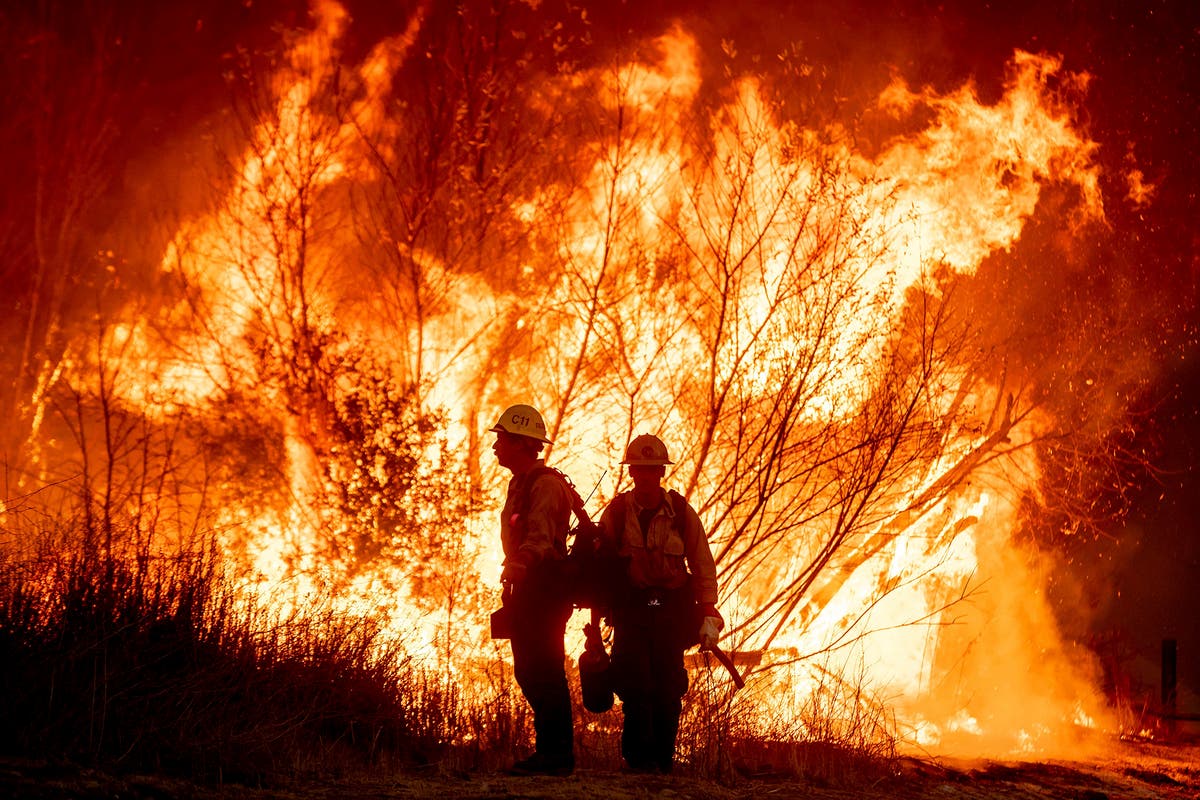
Did the LA Fire Disaster Have to Happen?
Introduction
The devastating wildfires that have plagued Los Angeles and surrounding areas in recent years have raised critical questions about their inevitability and the measures that could have been taken to prevent such disasters. With lives lost, thousands of acres of land burned, homes destroyed, and local ecosystems devastated, many are left wondering: Did the LA fire disaster have to happen?
While the answer is complex, exploring the causes, contributing factors, and potential solutions can shed light on whether more could have been done to mitigate the damage. In this article, we will examine the factors that led to the LA fire disaster, whether it was preventable, and what steps can be taken to prevent similar tragedies in the future.
1. The Growing Threat of Wildfires in Southern California
Wildfires are not new to Southern California, but in recent decades, they have become more frequent, intense, and destructive. Several factors have contributed to this increasing threat:
Climate Change: Rising global temperatures have resulted in hotter and drier conditions, which contribute to the drying out of vegetation. The drier the landscape, the more flammable it becomes. In Los Angeles, extended periods of drought followed by intense heatwaves create perfect conditions for wildfires to spread rapidly.
Urban Expansion: As more people move into fire-prone areas, particularly in the hills and foothills of Los Angeles, the risk of wildfires impacting residential neighborhoods increases. Urban sprawl means that more homes are built near wildland areas, which are particularly vulnerable to fires.
Santa Ana Winds: Strong, dry winds, such as the Santa Ana winds, are a regular occurrence in Southern California. These winds exacerbate fire conditions by spreading flames quickly over large areas, making it difficult for firefighters to control the spread of fires. The combination of high winds, dry vegetation, and hot temperatures creates an environment where fires can grow uncontrollably.
2. Human Influence: Accidental Ignition and Negligence
While wildfires are often a natural phenomenon, human activity is frequently the cause or exacerbating factor in these disasters. Many wildfires in Los Angeles have been triggered by human actions, whether intentional or accidental. Common causes include:
Arson: Although arson accounts for a smaller percentage of fires, deliberate set fires still contribute to many of the destructive wildfires in California. Investigations often reveal that some fires are sparked by individuals who intentionally start them, leading to widespread devastation.
Accidental Ignition: Fires can also be started by everyday human activities such as discarded cigarette butts, faulty electrical wiring, or sparks from machinery. High winds and dry conditions can cause these small ignition points to grow into massive fires.
Power Lines and Electrical Infrastructure: In recent years, power lines have been identified as a significant source of wildfires. In fact, Pacific Gas and Electric (PG&E), which provides electricity to much of California, has been implicated in several large wildfires after their equipment failed, sparking fires in dry areas. A lack of regular maintenance and outdated infrastructure can make the fire risk even higher.
3. What Could Have Been Done to Prevent It?
While wildfires are an inherent part of California’s natural environment, there are measures that can be taken to reduce their frequency and severity:
Fire-Resistant Building Codes: California has made progress in adopting fire-resistant building codes that require homes to be constructed using materials that are less likely to catch fire. However, more widespread implementation of these codes, especially in high-risk areas, could help prevent homes from being destroyed in the event of a wildfire.
Controlled Burns: One effective method of preventing large-scale wildfires is controlled or prescribed burns, which involve deliberately setting small, manageable fires to clear out dry brush and vegetation that could fuel future larger fires. Although controversial at times, these burns can significantly reduce the risk of catastrophic wildfires when carried out safely.
Vegetation Management: Regular clearing of dead and dry vegetation, both in forests and around communities, can significantly reduce the amount of fuel available for fires to spread. Many homeowners in fire-prone areas are encouraged to create a "defensible space" around their property to prevent wildfires from reaching their homes.
Early Warning and Detection Systems: Advances in technology, such as fire detection drones and satellite imaging, can help detect wildfires at an early stage, allowing firefighters to respond more quickly. Early warnings give residents a better chance to evacuate and for authorities to contain the blaze before it grows uncontrollably.
Improved Infrastructure and Grid Management: Aging power lines and infrastructure have been known to trigger wildfires, particularly during windy conditions. Upgrading the electrical grid and investing in better technology to prevent sparks from power lines can help prevent such incidents.
4. Was the LA Fire Disaster Inevitable?
While it's difficult to say if any particular wildfire was entirely inevitable, the increasing frequency of wildfires in California points to a growing crisis that requires urgent attention. In many cases, the fires were exacerbated by human activity, poor land management, and lack of preparation. With that being said, even with improved preparedness, climate change and natural factors like dry conditions and strong winds will continue to pose significant challenges.
The devastating nature of these wildfires could have been mitigated with stronger preventative measures, better infrastructure, and more robust public awareness about fire safety. If authorities and residents had been better equipped, the extent of the damage could have been reduced.
5. What Can We Learn From Past Fires?
The LA fire disaster, like other wildfires in California, offers valuable lessons in fire prevention and preparedness:
Community Preparedness: Local governments and communities must continue to work together to create and implement evacuation plans and emergency services for wildfire seasons. Public education campaigns that encourage defensible space and safe fire practices are critical in reducing risk.
Environmental Restoration: Restoration of degraded landscapes and the prevention of soil erosion can help to reduce the risks of wildfires and their impact. Building back more resilient landscapes can prevent future destruction.
Government Action: Stronger policies and investment in wildfire management, research, and technology can prevent disasters from escalating. The California government must continue to provide funding for wildfire suppression, recovery, and climate adaptation strategies.
6. Conclusion: A Shared Responsibility
While the LA fire disaster may not have been completely avoidable, there were certainly steps that could have been taken to prevent the worst of the damage. Climate change, combined with human influence, has created a volatile environment in Southern California. As the region faces an increasingly severe fire season, a shared responsibility exists for governments, local communities, and individuals to address the root causes and mitigate the impact of wildfires.
Improved fire management, better infrastructure, and a collective approach to reducing wildfire risk will ultimately determine whether future disasters can be prevented—or whether we will continue to see a rise in the frequency and severity of wildfires.
SEO Keywords: LA Fire Disaster, California Wildfires, Preventing Wildfires, Causes of California Fires, Wildfire Preparedness, Climate Change and Wildfires, Fire Safety California, Santa Ana Winds, California Drought and Fire Risk, Fire Prevention Tips.