The Origin of the Palisades Fire: How and Where It Started
Introduction
The Palisades Fire, which broke out in May 2021, is one of the many wildfires that have plagued California in recent years. Located in the Pacific Palisades neighborhood of Los Angeles, the fire sparked concern due to its proximity to homes, popular hiking trails, and lush vegetation. In this article, we will explore where and how the Palisades Fire started, the factors that contributed to its rapid spread, and the aftermath of the event.
1. Location of the Palisades Fire
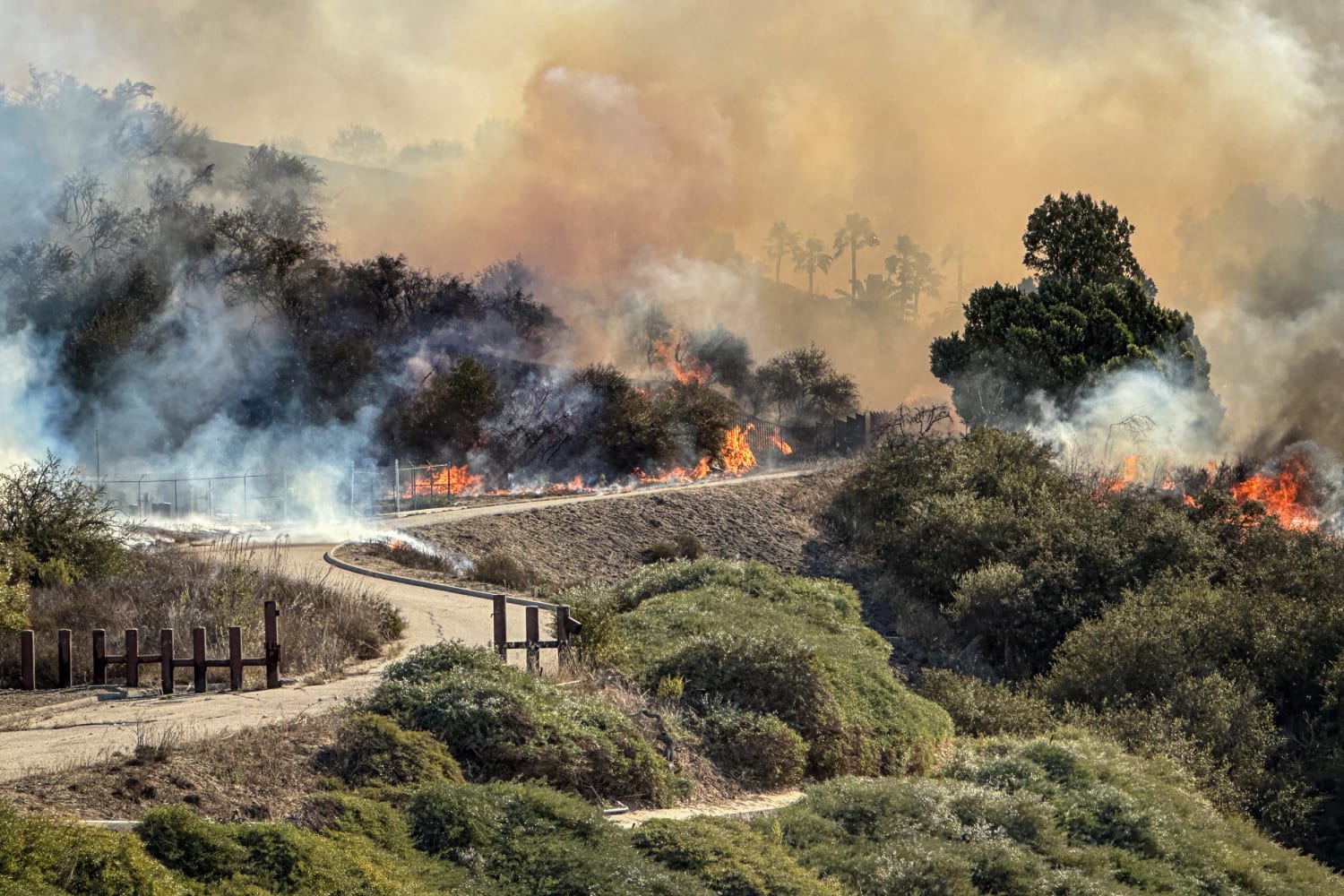
The Palisades Fire ignited in the Pacific Palisades, a coastal neighborhood in the western part of Los Angeles, California. The fire began in the Santa Monica Mountains National Recreation Area, a large, rugged area that is both a natural habitat and a popular destination for hikers, mountain bikers, and nature lovers. The area includes dense vegetation, dry brush, and steep terrain, which are all factors that contribute to the quick spread of wildfires.
The fire quickly spread into the nearby Topanga State Park, a key green space in Los Angeles County, which borders residential areas. As a result, the Palisades Fire posed a significant threat to homes and infrastructure in the surrounding neighborhoods, including Pacific Palisades itself.
2. How the Palisades Fire Started
The exact cause of the Palisades Fire was difficult to pinpoint initially, and investigations into the fire's origin were carried out by local fire departments and authorities. After a thorough investigation, it was determined that the fire likely started near Reseda Boulevard and Palisades Drive, close to the intersection of Palisades Drive and Sunset Boulevard, on the evening of May 14, 2021.
According to officials, the fire started as a brush fire, which is a wildfire that spreads through dry vegetation, grass, or brush. The area where the fire ignited had seen several days of hot, dry conditions, and with high winds, the fire spread quickly.
Initially, the Los Angeles Fire Department (LAFD) was unsure of the specific cause of the fire. However, in later reports, it was confirmed that the fire's origin was likely human-related, possibly due to accidental ignition. There were no reports of arson or criminal activity associated with the fire. Some theories suggested that it could have been caused by equipment failure, vehicle sparks, or improperly discarded cigarettes, which are common causes of brush fires in the region.
3. Factors That Contributed to the Spread of the Fire
Several environmental and weather-related factors contributed to the rapid spread of the Palisades Fire:
High Temperatures: The fire broke out during a period of elevated temperatures, which had dried out the vegetation in the Santa Monica Mountains and surrounding areas. The heat made the brush and trees more flammable, increasing the likelihood of ignition.
Santa Ana Winds: Although the Palisades Fire did not directly coincide with a major Santa Ana wind event, strong winds can still affect fire behavior in the region. Winds push flames, embers, and smoke quickly across landscapes, making it difficult for firefighting efforts to contain fires. These winds, along with the dry conditions, made the fire more dangerous and harder to control.
Dry Vegetation: As is common in California during the late spring and summer months, dry brush and vegetation provided ample fuel for the fire. Without rainfall in the area to dampen the environment, the dry conditions created a perfect storm for a wildfire to spread.
4. Evacuations and Impact
As the fire grew, it forced evacuations in the Pacific Palisades and Topanga areas. Thousands of residents were put on high alert as the fire threatened to encroach on homes and other structures. Firefighters were quick to deploy resources, including air tankers and ground crews, to combat the blaze and prevent it from spreading further.
The fire burned over 1,000 acres of land, but fortunately, the dense urban areas were spared from direct damage. However, many homes and properties were threatened by the fire, and residents were urged to stay prepared and follow evacuation orders. Thousands of people had to temporarily evacuate their homes to ensure their safety. While there were no immediate reports of casualties, the fire did cause significant property damage, particularly in the form of scorched vegetation and threatened homes.
5. Containment and Aftermath
By May 18, 2021, after several days of firefighting efforts, the Palisades Fire was officially contained at 100%. The Los Angeles Fire Department and local firefighting agencies managed to keep the fire from causing widespread destruction, but the fire was a stark reminder of the risks posed by wildfires in Southern California.
In the aftermath of the fire, there was a renewed focus on fire safety and preparedness in Los Angeles County. The fire also raised awareness of the need for improved urban planning in fire-prone areas, as well as the importance of creating defensible spaces around homes in wildfire zones.
6. Lessons Learned and Fire Prevention
The Palisades Fire highlights the ongoing risks of wildfires in California, especially in areas that have a combination of dense vegetation, dry conditions, and human activity. Authorities and fire departments continue to focus on fire prevention, including public education on creating defensible spaces, clearing brush, and installing fire-resistant landscaping in vulnerable areas.
The fire also underscores the need for climate change adaptation strategies, as rising temperatures and prolonged drought conditions increase the likelihood of wildfires in regions like California. Continued investments in fire management and early detection systems are critical in minimizing the damage caused by these devastating events.
Conclusion
The Palisades Fire started in May 2021 in the rugged terrain of the Pacific Palisades neighborhood and quickly spread across thousands of acres of dry brush. While the exact cause was not immediately known, human activity was suspected to be a contributing factor. High temperatures, dry vegetation, and strong winds fueled the fire’s spread, leading to evacuations and significant property damage. While the fire was ultimately contained, it serves as a reminder of the constant wildfire threat in Southern California and the importance of preparedness in fire-prone areas.
SEO Keywords: Palisades Fire, California Wildfires, Santa Monica Mountains Fire, Pacific Palisades Fire, Wildfire Origin, How the Palisades Fire Started, Los Angeles Wildfires, California Fire Preparedness, Topanga State Park Fire, Palisades Fire Cause.