The Upcoming Period of Cold and Snow: What to Expect and How to Prepare
Introduction
As winter approaches, an impending period of cold and snow looms on the horizon. While cold weather and snowfall are typical during the winter months, each year brings its own unique challenges and weather patterns. Understanding what to expect during the upcoming period of cold and snow can help us prepare for the changes and protect ourselves, our property, and our environment. In this article, we’ll dive into the anticipated cold and snowy period, the effects it may have on different regions, and how to stay safe and comfortable during this time.
What Causes the Upcoming Cold and Snow?
Cold and snow are the result of complex atmospheric conditions. As the Earth tilts away from the sun during winter months, regions closer to the poles experience cooler temperatures. When temperatures drop below freezing, moisture in the atmosphere condenses into snowflakes, which accumulate on the ground. The upcoming period of cold and snow can be triggered by the following weather phenomena:
Cold Fronts: Cold fronts occur when cold air moves into a region of warmer air, causing a sudden drop in temperature. As this colder air pushes into a region, it can bring snow, especially if there’s sufficient moisture in the atmosphere.
Low-Pressure Systems: Low-pressure systems are areas where the air pressure is lower than the surrounding atmosphere. These systems typically bring cloudy skies, precipitation, and cold temperatures. When these systems move into an area, they can bring a significant amount of snow.
Polar Vortex: The polar vortex refers to a large, rotating mass of cold air located near the Arctic. Occasionally, this mass of cold air shifts southward, bringing extremely cold temperatures and snowstorms to regions that usually don’t experience such harsh winter weather.
What to Expect During the Upcoming Cold and Snow Period
The upcoming cold and snowy period is likely to bring a variety of weather conditions, depending on your location. Here’s what to expect:
Heavy Snowfall: Snow accumulation could be significant in many areas, especially those in higher altitudes or further north. Snow may fall in large quantities, causing disruptions to travel and daily life.
Frigid Temperatures: Alongside the snow, expect extremely cold temperatures, especially at night. In some areas, the mercury may dip well below freezing, leading to a risk of frostbite or hypothermia if precautions aren’t taken.
Icy Roads: Accumulating snow and freezing rain can make roads slippery and dangerous. Travel disruptions are likely, with the potential for accidents, delays, and closures.
Wind Chill: In addition to low temperatures, gusty winds may increase the risk of frostbite and hypothermia. Wind chill factors can make it feel much colder than the actual air temperature, requiring extra precautions when venturing outside.
How the Cold and Snow Can Impact Daily Life
The upcoming cold and snowy period will bring significant impacts on various aspects of life, from transportation to health and safety:
Transportation Disruptions: Snow and ice accumulation can make roads hazardous, leading to delayed commutes, accidents, and road closures. Airports may also experience delays and cancellations due to snowstorms.
Heating Demands: As temperatures drop, the demand for heating increases. This puts extra pressure on energy companies, which may experience difficulties meeting the rising demand. Higher heating costs are also expected during periods of extreme cold.
Health Risks: Prolonged exposure to cold temperatures can cause serious health issues like frostbite and hypothermia. Wind chill can exacerbate these risks, making it essential to dress warmly and limit outdoor exposure.
Agricultural Concerns: Crops that rely on milder winter conditions may be harmed by extreme cold or snow. In some cases, farmers may have to protect their crops with special coverings or heaters to prevent frost damage.
How to Prepare for the Cold and Snow
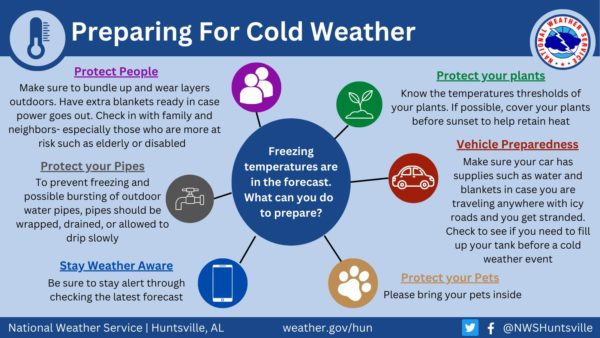
To stay safe and minimize the impact of the upcoming cold and snow, it’s important to take the necessary steps to prepare. Here are some tips to help you get ready for the winter weather:
Winterize Your Home:
- Insulate your pipes to prevent them from freezing.
- Ensure your heating system is functioning properly.
- Check windows and doors for drafts and seal them to keep the warmth inside.
- Stock up on emergency supplies, such as blankets, food, water, and batteries.
Prepare Your Vehicle:
- Equip your car with snow tires to ensure better traction on snowy roads.
- Keep your gas tank at least half full to avoid fuel line freeze-ups.
- Pack an emergency kit with essentials like blankets, a flashlight, water, and non-perishable snacks.
Dress Warmly:
- Wear layered clothing to trap heat, and don’t forget to wear gloves, hats, and scarves to protect your extremities.
- Invest in waterproof boots to keep your feet warm and dry in snowy or wet conditions.
Clear Snow and Ice:
- If you live in an area where snow accumulation is expected, keep a snow shovel or a snow blower handy to clear driveways and walkways.
- Use salt or sand to prevent ice from forming on surfaces.
The Economic Impact of the Cold and Snow
Severe cold and snowy weather can have a profound economic impact, particularly on industries that rely on mild conditions:
Retail: The cold and snow can boost retail sales in areas that experience winter storms, particularly in the sale of winter gear, clothing, and holiday items. However, it can also discourage shoppers from going out, which may affect sales in some sectors.
Agriculture: Cold weather and snow can harm crops and livestock. Farmers may face reduced yields or increased costs to protect their crops from frost.
Energy Costs: The demand for energy spikes during extreme cold spells as people turn on their heating systems. This increase in demand can cause price hikes and strain the energy grid.
Tourism: For winter resorts and destinations, cold and snowy weather can be a boon, attracting skiers and snowboarders. However, excessive snowstorms or icy conditions can disrupt tourism in other areas.
Conclusion
The upcoming period of cold and snow brings both challenges and opportunities. By understanding what to expect and preparing accordingly, you can ensure your safety and comfort during this wintry season. Whether it’s adjusting your daily routines, preparing your home, or taking extra care when traveling, these steps will help you navigate the cold and snowy period with confidence.
What to Expect During the Cold and Snow Period
| Factor | Description | Impact |
|---|---|---|
| Heavy Snowfall | Large snow accumulations leading to disruptions. | Travel delays, hazardous conditions, snow removal. |
| Frigid Temperatures | Temperature drops well below freezing. | Increased risk of frostbite, hypothermia, and energy demands. |
| Icy Roads | Snow and ice accumulation on roadways. | Travel disruptions, accidents, and road closures. |
| Wind Chill | Wind speeds make temperatures feel colder. | Exacerbates frostbite and hypothermia risk. |
| Heating Demands | Increased need for heating during extreme cold. | Higher energy consumption and utility strain. |
SEO Keywords:
Cold and Snow, Winter Weather Preparation, Snowstorm Tips, Cold Fronts, Low-Pressure Systems, Wind Chill, Safe Driving in Snow, Winterizing Home, Snow Accumulation, Preparing for Winter.