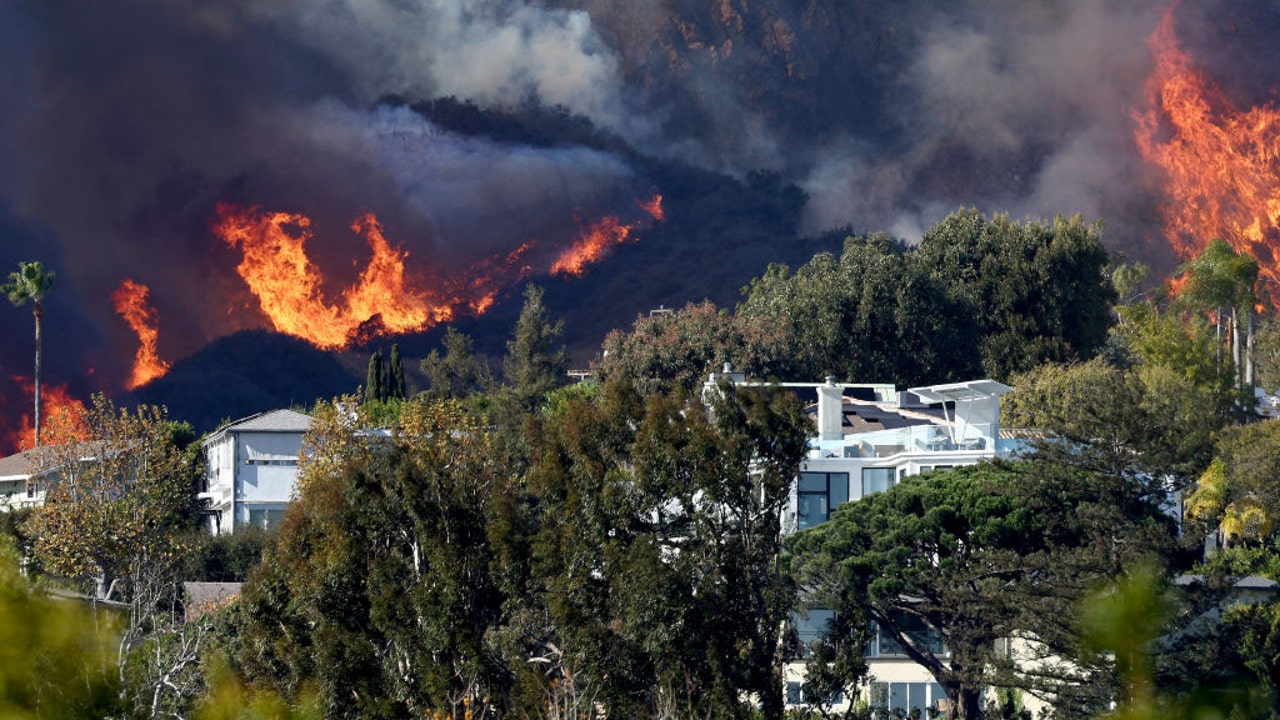
The Direct Connection Between Northwest Weather and Los Angeles Santa Ana Winds (and Wildfires)
Introduction
Los Angeles, known for its beautiful weather and sunny days, also faces the destructive force of Santa Ana winds, which can often fuel devastating wildfires. While these winds are a significant concern for California, they are also influenced by weather patterns far to the northwest. The connection between Northwest weather conditions and the Santa Ana winds in Southern California is more direct than many realize. In this article, we will explore how these weather patterns from the Pacific Northwest play a key role in the development of the Santa Ana winds and the subsequent wildfire risks in Los Angeles and surrounding areas.
What Are Santa Ana Winds?
The Santa Ana winds are strong, dry winds that descend from the inland deserts of Southern California and blow toward the coastal areas, including Los Angeles. These winds are known for their hot, dry characteristics, and can create dangerous conditions for both residents and the environment. Santa Ana winds typically occur in the fall and winter months but can strike at any time of year, especially during periods of high atmospheric pressure.
The winds are caused by a combination of pressure systems in the atmosphere, and they gain strength as they move through mountain passes and canyons, increasing their intensity. The hot, dry nature of the winds not only dehydrates the landscape but also lowers humidity, creating ideal conditions for wildfires to spread rapidly.
The Role of Northwest Weather in the Development of Santa Ana Winds
The Santa Ana winds are not an isolated phenomenon. They are influenced by weather patterns from the Pacific Northwest, which can set the stage for the creation of these powerful winds. Here’s how:
1. High-Pressure Systems in the Pacific Northwest
High-pressure systems that form over the Pacific Northwest and parts of Canada play a crucial role in the formation of Santa Ana winds. When a high-pressure system develops in this region, it pushes air southward toward California. As this air moves, it is funneled through mountain passes and valleys, where it accelerates and gains warmth due to compression.
This warming process is known as adiabatic heating, and it is a key factor in the dry, hot conditions of the Santa Ana winds. The air that originates from the cooler, moist Northwest is rapidly compressed as it moves through the mountainous terrain, resulting in warmer and drier air reaching Southern California.
2. Cold Air from the Northwest Meets Hot, Dry Air from the Desert
The Northwest weather patterns often bring cold, moist air down the western coast of the United States. As this cold air meets the already dry, warm air from the desert regions, it creates a sharp contrast in temperatures. This difference in temperature can lead to the formation of strong winds, which are further intensified by the topography of California's mountains and valleys.
When this cold, dense air is forced downward and funneled through the mountain passes, it rapidly heats up and dries out, contributing to the fire-prone conditions that characterize the Santa Ana winds.
3. Jet Stream Influence
The jet stream, which is a fast-moving band of air high in the atmosphere, also has a connection to both the weather in the Pacific Northwest and the Santa Ana winds in Southern California. During the fall and winter months, when the jet stream dips southward, it can increase the strength of high-pressure systems over the Northwest, which in turn sets the stage for the Santa Ana winds.
When the jet stream is positioned in a way that funnels strong winds from the Northwest into California, it can amplify the intensity of the Santa Ana winds, making them stronger and more dangerous.
How Santa Ana Winds Contribute to Wildfires
The strong winds that accompany the Santa Ana conditions are a major contributing factor to the spread of wildfires in Southern California. When these winds arrive, they increase the speed at which wildfires can spread, making them more destructive. Here's how:
1. Rapid Spread of Flames
The dry conditions caused by the Santa Ana winds lower humidity levels, creating an environment where wildfires can quickly ignite and spread. The winds themselves can carry embers long distances, causing fires to jump from one area to another and spread more rapidly than they would otherwise.
2. Increased Intensity of Fires
Santa Ana winds can cause wildfires to burn hotter and more intensely. These winds help to fan the flames and push the fire in a particular direction, making it more difficult for firefighters to control. Fires that are fueled by these winds can grow exponentially in size within a matter of hours.
3. Difficulties in Firefighting Efforts
The high winds make it more challenging for firefighting teams to contain wildfires. Airborne water and retardant drops are less effective when the winds are too strong, as they can blow the material away from the fire. Additionally, strong winds make it harder to set up firebreaks, which are lines cleared of vegetation to stop the fire’s progress.
The Impact of Wildfires on Los Angeles and Surrounding Areas
The combination of Santa Ana winds and wildfires has serious implications for Los Angeles and the surrounding areas. Here are some of the major impacts:
1. Health Risks from Smoke and Air Quality
Wildfires, particularly during Santa Ana wind events, can cause significant deterioration in air quality, not just in the immediate vicinity of the fire but across a large region. Smoke from wildfires can contain harmful particulate matter, which can irritate the respiratory system and aggravate pre-existing conditions like asthma and bronchitis.
In Los Angeles, poor air quality from nearby fires can affect residents for days or even weeks, depending on the wind direction and intensity. The Santa Ana winds, by carrying smoke over large areas, make it even harder for residents to avoid these health risks.
2. Damage to Property and Infrastructure
The winds, combined with wildfires, can cause widespread property damage, particularly in vulnerable areas like the hillsides and canyons around Los Angeles. Homes and structures in these areas are at high risk, as the fires can spread quickly and destroy entire neighborhoods.
The power grid is also affected, as the winds can knock down power lines and cause power outages, further complicating firefighting and rescue efforts.
3. Economic Impact
Wildfires and their associated risks can also have a serious economic impact on Southern California. Beyond the destruction of property, businesses may be forced to close due to poor air quality, transportation disruptions, and evacuations. Additionally, the costs of firefighting and recovery efforts can run into billions of dollars.
What Can Be Done to Address the Issue?
While the connection between Northwest weather and the Santa Ana winds is a natural phenomenon, there are ways to mitigate the risks associated with wildfires and poor air quality:
Improved Early Warning Systems: Better forecasting of wind patterns and fire risks can help communities prepare for Santa Ana wind events and take preventative measures before wildfires start.
Controlled Burns and Forest Management: Implementing controlled burns and better forest management techniques can help reduce the amount of dry vegetation that fuels wildfires.
Fire-Resistant Infrastructure: Building homes and infrastructure with fire-resistant materials can reduce the likelihood of widespread destruction when a wildfire occurs.
Public Awareness and Preparedness: Educating residents about fire safety, evacuation plans, and emergency preparedness can save lives and minimize damage during wildfire events.
Conclusion
The relationship between Northwest weather and the Santa Ana winds highlights the interconnectedness of weather patterns and their impact on local environments. These winds, exacerbated by high-pressure systems and cold air from the north, contribute to the spread and intensity of wildfires in Los Angeles and Southern California. As climate change continues to affect global weather systems, understanding and preparing for these types of events is more important than ever. By taking proactive steps, such as improved fire management and infrastructure resilience, we can better protect communities from the devastating effects of wildfires fueled by these powerful winds.
SEO Keywords: Santa Ana Winds, Wildfires, Northwest Weather, Los Angeles Wildfires, Santa Ana Winds and Wildfires, Air Quality Los Angeles, Wildfire Safety, California Weather Patterns, Fire Prevention, Wildfire Impact.