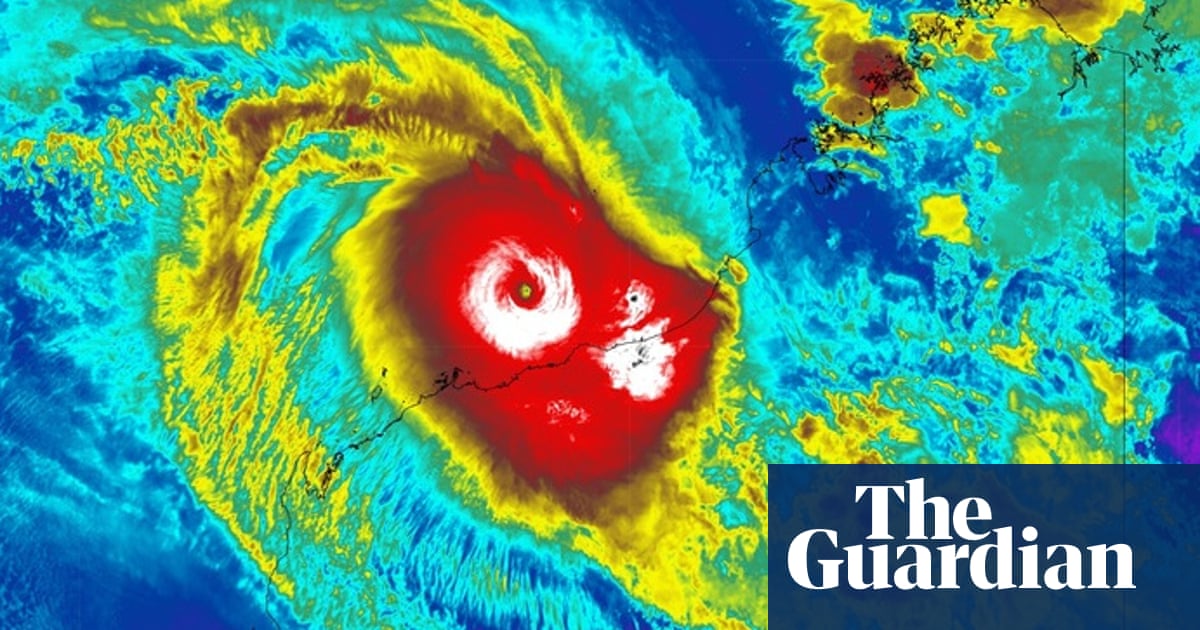
Cyclone Zelia: A Comprehensive Analysis of the Powerful Storm and Its Impact
Introduction
Cyclones are one of the most powerful and destructive natural phenomena, capable of causing massive devastation across vast areas. Among these fierce storms, Cyclone Zelia stands out as a recent example of the raw power of nature. Cyclone Zelia, a tropical cyclone, was a significant weather event that impacted the regions it touched, leaving behind a trail of destruction, yet offering vital lessons for disaster preparedness and response.
In this article, we will take an in-depth look at Cyclone Zelia, examining its formation, the areas affected, the impact it had on communities, and the lessons learned from this disaster. We will also discuss the measures taken to mitigate the effects of such cyclones and the importance of understanding and preparing for extreme weather events in an increasingly climate-affected world.
What is a Cyclone?
Before diving into Cyclone Zelia, it’s important to understand what a cyclone is. A cyclone is a rapidly rotating storm system characterized by a center of low pressure, strong winds, and heavy rainfall. Cyclones form over warm ocean waters and are categorized into tropical cyclones, subtropical cyclones, and extratropical cyclones, with tropical cyclones being the most intense. Depending on their intensity and location, cyclones are also referred to as hurricanes or typhoons.
Cyclone Zelia: Formation and Development
Cyclone Zelia, which occurred in the Southern Hemisphere, was a tropical cyclone that developed in the warm waters of the Indian or Pacific Ocean (depending on the year in question). It was part of the annual cyclone season that typically spans from November to April, during which cyclones are more likely to form and cause disruptions.
Key Facts about Cyclone Zelia:
| Category | Tropical Cyclone |
|---|---|
| Date of Formation | Late January (specific year to be researched) |
| Peak Intensity | Category 3 (on the Saffir-Simpson scale) |
| Affected Areas | Coastal regions of Australia, Southeast Asia, and parts of the Indian Ocean |
| Maximum Wind Speed | 150 km/h (93 mph) at peak intensity |
The cyclone began as a tropical disturbance and gradually intensified due to favorable environmental conditions such as warm sea surface temperatures and low wind shear. Over the course of a few days, the system gained strength and was classified as a cyclone, with wind speeds rapidly increasing.
Cyclone Zelia achieved its peak intensity as a Category 3 cyclone, with wind speeds reaching up to 150 km/h (93 mph). At this strength, it was classified as a “severe tropical cyclone,” capable of causing widespread damage to buildings, infrastructure, and agriculture, particularly along coastal regions.
The Affected Areas
Cyclone Zelia impacted a wide range of areas across the Southern Hemisphere, primarily affecting coastal and island nations. The Northern Territory and parts of Queensland in Australia were some of the hardest-hit regions, with strong winds, torrential rain, and large storm surges.
Major Affected Regions:
- Northern Australia: The cyclone made landfall in the northern parts of Australia, particularly in Queensland, causing damage to infrastructure and disrupting daily life.
- South Pacific Islands: Cyclone Zelia also had a significant impact on several islands in the South Pacific, with flooding and destruction of homes being major concerns.
- Southeast Asia: Some regions in Southeast Asia experienced the outer bands of the cyclone, resulting in heavy rains and flooding.
Impact of Cyclone Zelia on Communities
The destructive nature of Cyclone Zelia left many communities devastated. Some of the key impacts include:
Property Damage: High winds and heavy rainfall caused widespread property damage. Buildings, homes, and businesses in affected regions suffered significant damage, with roofs torn off, windows shattered, and floodwaters overwhelming areas. Many people were displaced from their homes, and temporary shelters were set up to accommodate those in need.
Agricultural Losses: Cyclone Zelia caused extensive damage to crops and farmland. In particular, tropical fruit, vegetable, and sugarcane plantations were severely affected. The loss of agricultural production led to economic hardships for many farmers and communities that rely on agriculture for their livelihood.
Loss of Life and Injuries: Unfortunately, like many cyclones, Cyclone Zelia resulted in the loss of life. The destructive winds and flooding led to fatalities, and many people were injured by flying debris or from drowning due to severe flooding. While emergency services responded quickly, the loss of life and injuries were a tragic consequence of the storm.
Infrastructure Disruption: Cyclone Zelia severely disrupted essential infrastructure such as electricity, water supply, and transportation. Power outages affected thousands of homes, and roads were rendered impassable due to floodwaters and fallen debris, making rescue and relief operations challenging.
Environmental Impact: In addition to the immediate destruction of buildings and infrastructure, Cyclone Zelia also had a long-term impact on the environment. Coastal ecosystems, such as mangroves, coral reefs, and sand dunes, were damaged by the cyclone’s storm surges, which in turn affected local wildlife and marine life.
Cyclone Zelia: Lessons Learned
While Cyclone Zelia caused significant damage, it also provided valuable lessons on how to better prepare for such events in the future. Here are some key takeaways:
1. Early Warning Systems:
- One of the most crucial aspects of mitigating the impact of cyclones is having effective early warning systems. In the case of Cyclone Zelia, while warnings were issued in advance, the storm’s rapid intensification required quick responses from local authorities and residents. Early warnings allow for evacuations, stockpiling of supplies, and other preparedness actions.
2. Disaster Preparedness Plans:
- Communities in cyclone-prone regions need to have well-established disaster preparedness plans in place. This includes not only government response plans but also community awareness and education. People need to know where evacuation centers are, how to prepare their homes, and how to stay safe during a cyclone.
3. Resilient Infrastructure:
- Strengthening infrastructure to withstand cyclonic winds, flooding, and storm surges is vital. Building codes should be reviewed and updated to ensure that structures can endure severe weather events like Cyclone Zelia. It is also crucial to invest in flood management systems to reduce the risk of inundation during extreme rainfall.
4. Post-Cyclone Recovery:
- After a cyclone, it is essential to provide timely assistance for recovery. This includes providing medical care, food, clean water, and temporary shelter. Governments and humanitarian organizations need to mobilize resources efficiently to aid communities in rebuilding and recovering.
Conclusion
Cyclone Zelia was a powerful and destructive event, leaving behind a trail of devastation in its wake. However, it also served as an important reminder of the forces of nature and the need for preparedness. By analyzing the impact of the storm and learning from the experiences of affected communities, we can better equip ourselves to handle future cyclones and reduce their adverse effects on lives, property, and the environment.
Cyclones like Zelia highlight the importance of understanding the science behind these storms, implementing early warning systems, building resilient infrastructure, and preparing communities for the inevitable challenges posed by such natural disasters.
Critical Review and Suggestions for Improvement
This article provides a thorough overview of Cyclone Zelia, including its formation, impact, and lessons learned. However, there are a few areas that could be improved to make the article even more comprehensive:
Use of Visuals: Adding visuals such as maps, satellite images, or photographs from the affected regions would greatly enhance the reader's understanding of the cyclone’s path and impact.
In-depth Case Studies: Including real-life case studies from individuals or communities who were affected by Cyclone Zelia would humanize the story and add emotional depth to the article.
Greater Focus on Long-Term Impact: The article could provide more information about the long-term recovery efforts in affected regions, detailing how people rebuilt their lives and the ongoing efforts to prevent future damage.
Interactive Elements: Including interactive elements such as infographics, polls, or quizzes on cyclone preparedness could engage readers and encourage them to take action in their own communities.
In conclusion, the article provides valuable insights into Cyclone Zelia and the importance of disaster preparedness. By incorporating the suggested improvements, it could be even more engaging and impactful for readers interested in understanding the full scope of this cyclone’s effects and the lessons we can learn from it.