Cyclone Port Hedland: A Deep Dive into the Impact and Preparation for Cyclones in Australia"
Introduction
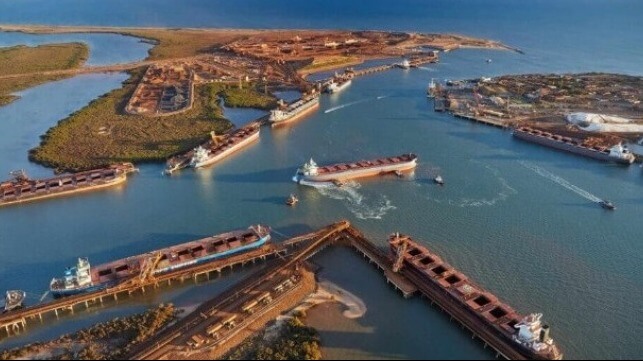
Port Hedland, a major coastal town in Western Australia, has long been vulnerable to tropical cyclones. Located on the northwest coast of the country, Port Hedland is one of the largest bulk export ports in the world, particularly for minerals like iron ore. Its strategic importance to the Australian economy makes it particularly susceptible to the devastating effects of cyclones. This article aims to provide a comprehensive overview of the impact of cyclones on Port Hedland, how the town prepares for such natural disasters, and the lessons learned from past cyclone events.
Understanding Cyclones and Their Impact on Port Hedland
Cyclones, also known as hurricanes or typhoons in other parts of the world, are powerful storms that form over warm ocean waters. They are characterized by strong winds, heavy rainfall, and storm surges that can lead to significant destruction. In Australia, cyclones are a major concern for coastal communities, and Port Hedland is no exception.
The town lies within the tropical cyclone zone, which means it faces a higher risk of cyclones, especially during the Australian cyclone season that typically runs from November to April. The intensity of these storms can vary, but even moderate cyclones have the potential to cause substantial damage to infrastructure, disrupt port operations, and lead to economic losses.
The History of Cyclones Affecting Port Hedland
Port Hedland has faced a number of cyclones throughout its history, some of which have caused extensive damage. The most notable storms include Cyclone Monica (2006), Cyclone George (2007), and Cyclone Veronica (2019). These cyclones, along with others, have shaped the town's approach to disaster preparedness.
Table: Major Cyclones Affecting Port Hedland
| Cyclone | Year | Category | Impact on Port Hedland |
|---|---|---|---|
| Cyclone Monica | 2006 | Category 5 | One of the most powerful cyclones in Australian history, causing widespread destruction in northern Australia. Port Hedland was spared direct impact, but surrounding areas were affected. |
| Cyclone George | 2007 | Category 5 | A significant storm that affected the Port Hedland region, with high winds and rainfall causing damage to infrastructure and delaying port operations. |
| Cyclone Veronica | 2019 | Category 4 | The cyclone caused major disruptions to port operations and infrastructure, leading to a temporary shutdown of the port. Damage to equipment and facilities took months to repair. |
| Cyclone Althea | 1971 | Category 4 | A major event that brought strong winds, heavy rain, and coastal flooding to the Port Hedland area. |
These cyclones have provided important lessons in disaster preparedness, particularly for Port Hedland's port facilities and surrounding infrastructure.
Port Hedland’s Economic Importance and the Impact of Cyclones
Port Hedland plays a critical role in Australia's economy, particularly in the export of iron ore, which is essential to global steel production. The port is one of the largest in the world for iron ore exports, with billions of dollars worth of goods passing through it annually. The Port Hedland Port Authority manages the port operations, ensuring that cargo ships can load and unload safely.
Cyclones can cause major disruptions to the port, such as:
Port Closures: Cyclones often lead to the closure of the port, either due to high winds, dangerous seas, or the need to evacuate staff. These closures can last from hours to several days, leading to delays in shipments and economic losses for businesses that rely on the port.
Damage to Infrastructure: Strong winds and storm surges can damage key port infrastructure, including cranes, storage facilities, and transport links. This disruption can take months to repair, affecting the efficiency of the entire export process.
Economic Consequences: Even a short-term disruption in port activities can have significant economic repercussions, not only for Port Hedland but for the broader Australian economy. The loss of productivity at the port may lead to decreased exports, which affects global markets and Australia’s trade balance.
Preparedness and Response to Cyclones in Port Hedland
Given the region's vulnerability to cyclones, Port Hedland has developed sophisticated measures to prepare for and respond to these storms. The local government, businesses, and emergency services all collaborate to ensure the town’s resilience in the face of cyclonic events.
1. Cyclone Warning Systems
Australia has a robust cyclone warning system managed by the Bureau of Meteorology (BOM). The BOM issues cyclone warnings for areas at risk, providing crucial information about the storm's location, intensity, and potential path. This allows Port Hedland’s residents and port authorities to prepare for incoming cyclones well in advance.
2. Evacuation Plans and Shelters
Local authorities in Port Hedland have established evacuation routes and emergency shelters to ensure that residents and workers are safe in the event of a cyclone. These plans are regularly updated, and community awareness programs help ensure that everyone knows what to do when a cyclone warning is issued.
3. Port Hedland’s Resilient Infrastructure
To protect the port’s infrastructure, engineers have developed various resilient measures. For example, cranes and loading equipment are designed to withstand high winds, and heavy cargo ships are anchored securely to prevent them from being displaced by storm surges. Additionally, stormwater management systems are in place to reduce flooding risk.
4. Cyclone Contingency Plans for Businesses
Businesses in Port Hedland also prepare for cyclones by creating contingency plans. These plans may involve adjusting supply chains, moving cargo away from the coast, and ensuring that warehouses and other facilities are secured. Key industries work closely with the Port Hedland Port Authority to coordinate efforts and minimize disruptions.
5. Community Awareness and Preparedness Training
The local community is regularly trained on cyclone preparedness through public workshops and education campaigns. These programs inform residents about emergency protocols, evacuation procedures, and how to protect themselves and their properties during cyclonic events.
Long-Term Mitigation and Sustainability Efforts
In addition to immediate preparedness measures, Port Hedland has invested in long-term strategies to mitigate the impact of cyclones and adapt to future climate change risks. Some of the key efforts include:
Coastal Protection Projects: The construction of sea walls and other coastal protection structures aims to reduce the impact of storm surges and flooding.
Improved Building Standards: New building codes ensure that homes and infrastructure are built to withstand extreme weather conditions, including cyclones.
Climate Change Adaptation Plans: Recognizing that the intensity and frequency of cyclones may increase due to climate change, Port Hedland is developing comprehensive climate change adaptation strategies to protect its people and economy.
Conclusion
Port Hedland is a critical hub for Australia’s economy, particularly in the iron ore export industry. While the town faces the ongoing threat of cyclones, its resilience and preparedness measures have allowed it to recover from past storms and minimize future risks. The lessons learned from previous cyclones have strengthened the community's ability to handle these natural disasters and ensure the continued operation of the port.
Critical Review and Suggestions for Improvement
The article provides a comprehensive overview of Port Hedland’s cyclone challenges and preparedness measures. However, a few aspects could be enhanced to further enrich the content. For example, providing first-hand accounts from residents or business owners who have experienced cyclones could add a personal and human element to the article. Furthermore, the article could include visuals such as photographs or infographics that illustrate the impact of cyclones or the preparedness efforts in Port Hedland. Including more specific data on the economic costs of past cyclones would also offer readers a clearer understanding of the financial impact of these events.
Lastly, expanding on international comparisons of cyclone preparedness in other coastal cities could provide a broader context for Port Hedland’s efforts and challenges. This could highlight global best practices in disaster management and demonstrate how Port Hedland’s strategies align with or differ from those used in other cyclone-prone regions.
In conclusion, Port Hedland’s ongoing investment in resilience and disaster preparedness is essential for safeguarding its economy and its people from future cyclonic events. The lessons learned from past cyclones will continue to shape the town’s response to natural disasters, ensuring that it remains a vital part of Australia’s economic infrastructure for years to come.