Coastal Ocean Update: What’s Happening in the Waters Off the Coastline?
Introduction
The ocean is a dynamic and constantly changing environment. From fluctuations in water temperature to shifts in marine life populations, there are always new developments and updates about the coastal oceans that deserve attention. This update will focus on current trends and changes happening along coastlines around the world, with a specific focus on how these changes might impact local ecosystems, economies, and weather patterns. By examining factors like water temperature, marine life, coastal erosion, and human activity, this article offers a comprehensive look at the state of our coastal oceans today.
1. The State of Ocean Temperatures: Rising and Falling
Recent data shows a worrying trend: ocean temperatures are continuing to rise, with some regions seeing water temperatures that are significantly higher than average. This increase in temperature is a direct result of climate change, which affects ocean currents and alters marine ecosystems. Warmer waters can lead to a variety of issues, including:
Coral Bleaching: Elevated water temperatures cause stress to coral reefs, leading to bleaching events. These events strip corals of their vibrant color and can severely impact marine biodiversity, as coral reefs are crucial habitats for a variety of sea life.
Changes in Marine Migration Patterns: Warmer waters can shift the migration patterns of fish and marine mammals, impacting the ecosystems along coastlines. Some species may move further north or south in search of cooler waters, disrupting local fisheries.
Increased Storm Activity: Warmer ocean temperatures contribute to the intensification of tropical storms and hurricanes. These storms are not only more powerful but also more frequent, posing a threat to coastal communities and ecosystems.
2. Marine Life Trends: Shifts in Population and Species
The marine life found along coastlines is highly sensitive to changes in ocean conditions, including temperature, pollution, and human activity. Recent coastal ocean updates show shifts in populations and behaviors that are concerning for both conservationists and industries that rely on marine resources.
Fish Stocks: Some fish species, particularly those in warmer waters, are seeing a decline in numbers due to overfishing and changing environmental conditions. This can disrupt local fishing economies, especially in areas that depend on specific species for livelihoods.
Invasive Species: Warmer waters also make it easier for non-native, invasive species to establish themselves along coastlines. These species can outcompete native marine life, threatening biodiversity and damaging important ecosystems like seagrass beds and coral reefs.
Marine Mammals and Birds: Shifts in the availability of food sources and changes in water temperatures are also affecting the migration and breeding patterns of marine mammals and seabirds. These disruptions can lead to altered reproductive cycles and difficulties in finding food, impacting the overall health of populations.
3. Coastal Erosion: A Growing Problem
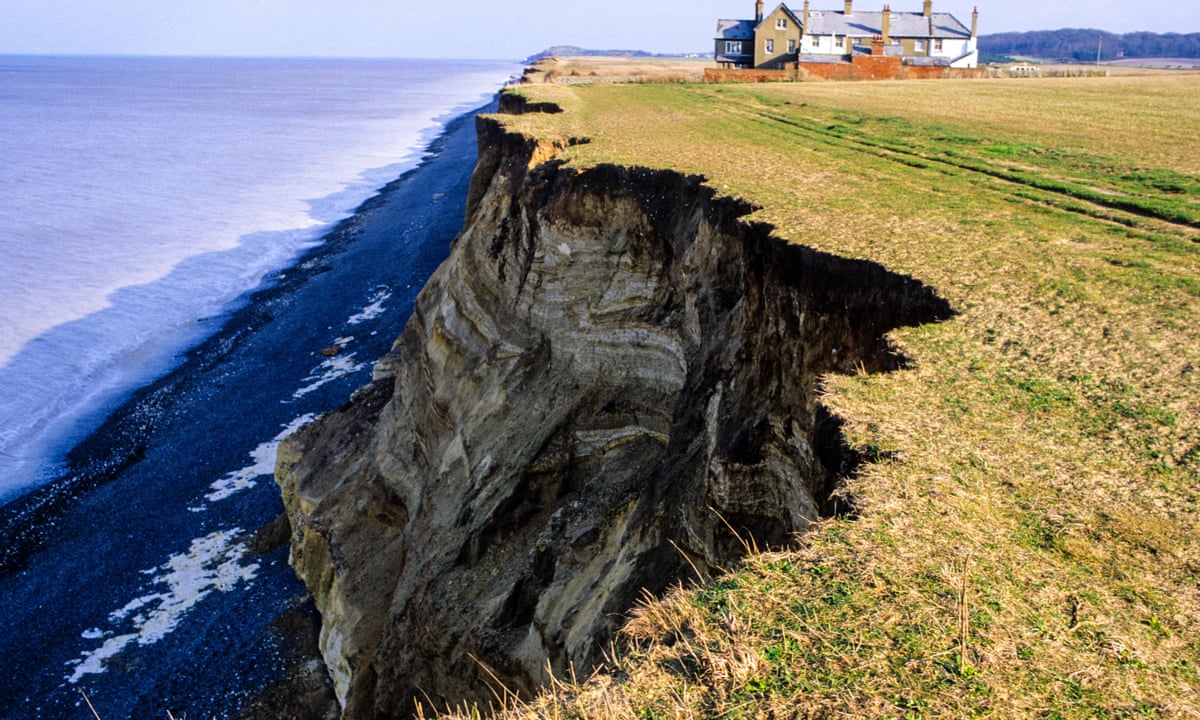
Coastal erosion remains one of the most pressing challenges faced by many regions around the world. Rising sea levels, driven by climate change and the melting of polar ice, are accelerating the erosion of coastlines. This can lead to the loss of beaches, marshes, and even entire coastal communities. The key factors contributing to coastal erosion include:
Rising Sea Levels: As sea levels rise, the ability of coastlines to naturally recover from storms and tides is diminished. This leads to the retreat of shorelines and loss of vital habitats like wetlands and dunes, which provide essential protection from storms.
Storm Surge: Intense storms and hurricanes can lead to powerful storm surges, which further erode the coastline. High waves, strong winds, and heavy rainfall can wash away sand and destabilize cliffs, threatening both human infrastructure and natural ecosystems.
Human Activity: Urban development and construction along coastlines can worsen erosion. Building infrastructure such as seawalls and piers can disrupt natural sediment flow and contribute to the loss of beaches and natural habitats.
4. Pollution in Coastal Waters: Ongoing Concerns
Pollution remains one of the most significant threats to the health of coastal oceans. From plastic waste to oil spills, pollutants continue to harm marine life and ecosystems. Some of the most pressing concerns include:
Plastic Pollution: An estimated 8 million tons of plastic enter the ocean each year, much of it ending up on coastlines. This pollution harms marine life, as animals ingest or become entangled in plastic debris. Additionally, microplastics have infiltrated the food chain, impacting both marine animals and humans.
Nutrient Pollution: Agricultural runoff, which contains fertilizers and pesticides, is a leading cause of nutrient pollution. This pollution leads to dead zones in coastal areas, where excessive nutrients lead to oxygen depletion, making the water uninhabitable for marine life.
Oil Spills: Accidental oil spills, though less common, continue to devastate coastal areas when they occur. The Deepwater Horizon disaster is a reminder of the catastrophic impact such spills can have on marine ecosystems and local economies that depend on fishing and tourism.
5. Human Impact and Coastal Management
As populations grow and urban areas expand, the impact of human activity on coastal waters has become a focal point for policymakers and environmentalists. Effective coastal management is essential for mitigating the damage caused by development, pollution, and climate change. Key strategies include:
Marine Protected Areas (MPAs): Establishing MPAs is an effective way to protect critical habitats and biodiversity. These areas help marine ecosystems recover from overfishing, pollution, and climate change. MPAs also provide a space for researchers to monitor changes in ocean health over time.
Sustainable Fisheries Management: To prevent overfishing and ensure the long-term health of fish populations, fisheries management strategies must include sustainable fishing practices, quota systems, and monitoring programs that help avoid depletion of marine resources.
Coastal Resilience Planning: Communities must adopt proactive strategies to address coastal erosion, sea level rise, and storm surge. This may involve the restoration of natural barriers such as wetlands, dunes, and mangroves, which provide crucial protection against extreme weather events.
6. The Future of Coastal Oceans: Hope and Challenges Ahead
Despite the challenges facing coastal oceans, there are also reasons for optimism. Global efforts to reduce carbon emissions, clean up plastic pollution, and invest in sustainable fisheries management are beginning to show positive results. In addition, growing awareness about the importance of marine conservation has led to increased support for policies and initiatives that protect coastal ecosystems.
However, the road ahead is still fraught with obstacles. As climate change continues to impact ocean temperatures, species, and ecosystems, immediate action is needed to reduce emissions, improve waste management, and protect coastal habitats. Only through collective global efforts can we safeguard the health of our coastal oceans for future generations.
Conclusion
The health of our coastal oceans is a reflection of the larger environmental challenges we face as a planet. Rising temperatures, pollution, and coastal erosion are among the primary threats to these fragile ecosystems. However, by taking proactive steps in terms of conservation, sustainable development, and policy changes, we can work towards a future where coastal oceans thrive, providing invaluable resources and beauty for generations to come.